Orthopaedics
Knee Replacement Surgery: When Might It Be Considered?
When is knee replacement surgery considered? Learn what leads to surgery, treatment options, risks, recovery and knee replacement care in Ibadan.
- Written by Banby Specialist Hospital
- 8 min read

On this page
- What Exactly Is a Knee Replacement?
- Why Is Knee Replacement Surgery Done?
- When Might It Be Time to Discuss Knee Replacement?
- Does Severe Knee Arthritis Always Need Surgery?
- What Happens Before Knee Replacement Surgery Is Recommended?
- Total vs Partial Knee Replacement
- What Are the Risks?
- What Is Recovery Like After Knee Replacement?
- How Successful Is Knee Replacement Surgery?
- Looking for Knee Replacement Surgery in Ibadan?
- Frequently Asked Questions About Knee Replacement
Being told you have knee arthritis does not mean a knee replacement is inevitable.
What usually brings surgery into the conversation is the combination of what has happened to the joint and what the knee is stopping you from doing.
Perhaps walking has become difficult. Stairs are increasingly painful. You have stopped doing activities you used to enjoy. Your sleep is affected. And treatments that previously helped are no longer giving you enough relief.
At that point, an orthopaedic surgeon may discuss whether knee replacement is one of the reasonable treatment options.
But there is quite a lot to establish before that decision is made.
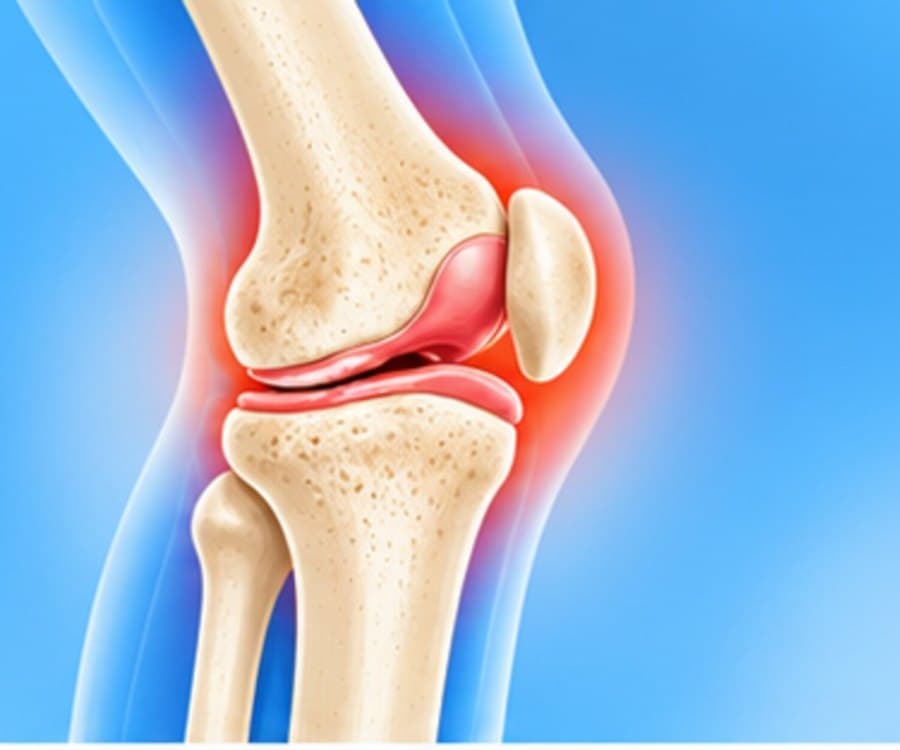
What Exactly Is a Knee Replacement?
Knee replacement, or knee arthroplasty, is surgery used to replace damaged surfaces of the knee joint with artificial components.
During the operation, damaged bone and cartilage are removed from the relevant joint surfaces and replaced with components designed to recreate those surfaces and allow the knee to function with less pain.
Depending on where the joint is damaged, the surgeon may consider a total knee replacement or, for selected patients, a partial knee replacement.
The goal is generally to reduce significant joint pain and improve function. It isn't to create a completely new or “perfect” knee.
Why Is Knee Replacement Surgery Done?
Osteoarthritis is one of the most common reasons someone may eventually need knee replacement surgery.
As osteoarthritis progresses, pain and stiffness can make ordinary activities increasingly difficult. Walking to the gate, climbing stairs, standing for long periods or getting out of a chair can become things you have to consciously plan around.
But an X-ray showing arthritis isn't enough on its own to decide that someone needs surgery.
Your symptoms, mobility, previous treatment, overall health and how much the knee is affecting everyday life all form part of that decision.
When Might It Be Time to Discuss Knee Replacement?
There is no single symptom that automatically means “you need a knee replacement.”
There are, however, situations where discussing it with an orthopaedic surgeon becomes reasonable.
Knee pain is substantially affecting everyday life
One of the most important questions is what the knee is preventing you from doing.
Can you still walk the distances you normally would? Use stairs? Work comfortably? Sleep without the knee waking you? Get in and out of a chair without significant difficulty?
NICE recommends considering referral for joint replacement when symptoms such as pain, stiffness, reduced function or progressive deformity are substantially affecting quality of life and appropriate non-surgical treatment has been ineffective or is unsuitable.
So the effect on your life matters alongside what an examination or X-ray shows.
The knee has become increasingly stiff
A painful knee that still moves reasonably well presents a different problem from one that has become severely stiff or difficult to bend.
During an orthopaedic assessment, the surgeon can examine movement, alignment, strength and stability to understand how the condition is affecting the joint.
Non-surgical treatment is no longer giving enough relief
Knee replacement is generally not the first treatment for osteoarthritis.
Depending on the individual, treatment before surgery may include therapeutic exercise, weight management where appropriate, medication and other measures recommended by a healthcare professional.
For some people, these approaches provide enough relief to maintain a reasonable level of activity for years.
For others, symptoms continue to progress despite appropriate treatment. That's when the balance between continuing non-surgical management and considering surgery may begin to change.
Your mobility is becoming increasingly limited
Loss of mobility isn't always dramatic.
It may begin with avoiding stairs. Then you stop walking certain distances. Eventually, you start choosing where you go based on how far you'll need to walk.
Those changes are worth discussing with your doctor because they show how much the knee is affecting your function, not simply how painful it feels at one moment.
Your assessment shows significant joint damage
Symptoms and function need to be considered alongside the clinical assessment.
Your orthopaedic surgeon may examine the knee and request appropriate imaging, such as X-rays, to understand the pattern and extent of joint damage.
The decision to operate should come from the overall picture rather than one scan or symptom.
Does Severe Knee Arthritis Always Need Surgery?
No.
Two people can have knee osteoarthritis and receive very different treatment recommendations.
One may still function reasonably well with non-surgical treatment. Another may have substantial pain, stiffness and mobility problems despite appropriate treatment.
The diagnosis matters, but so do the symptoms, level of function, overall health and response to treatment.
What Happens Before Knee Replacement Surgery Is Recommended?
A knee replacement decision should involve more than looking at an X-ray.
An orthopaedic assessment may consider:
- how long you've had symptoms
- how pain and stiffness affect everyday activities
- treatments you've already tried
- your general health and medical history
- movement, stability and strength in the knee
- appropriate imaging
- what you expect surgery to help you do
Your surgeon should also discuss the reasonable alternatives, likely benefits, limitations and risks before you decide whether surgery is right for you.
Total vs Partial Knee Replacement
The difference is largely about how much of the knee needs to be replaced.
Total knee replacement
In a total knee replacement, damaged joint surfaces at the ends of the thigh bone and shin bone are replaced with artificial components.
This is the more common type of knee replacement.
Partial knee replacement
If arthritis or joint damage is confined to a particular part of the knee, some patients may be suitable for partial knee replacement, where only the affected portion is replaced.
Not everyone is a candidate for both procedures. The extent and location of the damage, together with other clinical factors, help determine which approach may be appropriate.
What Are the Risks?
Knee replacement is major surgery, and understanding the risks is part of deciding whether its potential benefits make sense for you.
Possible complications include infection, blood clots, nerve or tissue injury, persistent pain or stiffness and problems with the replacement joint over time.
Your individual risk will depend partly on your health and circumstances, so this discussion should be specific to you rather than based only on a general list of complications.
What Is Recovery Like After Knee Replacement?
Recovery takes time and continues after you leave the hospital.
Patients are usually encouraged to begin moving relatively early with appropriate support. Rehabilitation and prescribed exercises can help restore movement, strength and function.
Full recovery can take several months or longer, and two people having the same operation may progress at different rates.
Your recovery will depend on factors including your health before surgery, mobility, the condition of the knee, the procedure performed and your progress afterwards.
Your surgical and rehabilitation teams should give you a recovery plan based on your circumstances.
How Successful Is Knee Replacement Surgery?
For appropriately selected patients, knee replacement can substantially improve pain and function.
But no surgeon can guarantee a particular result.
Some people continue to experience pain, stiffness, instability or other problems after surgery, and artificial joints can wear or loosen over time.
A useful consultation therefore includes not only what surgery could improve, but also what outcome you can reasonably expect in your particular case.
Looking for Knee Replacement Surgery in Ibadan?
Banby Specialist Hospital provides orthopaedic and joint replacement surgery in Akobo, Ibadan, including total knee replacement and total hip replacement where clinically appropriate.
The hospital was founded by Prof. Bade B. Omololu, MBBS, FRCS, FWACS, Professor of Orthopaedic Surgery and Consultant Orthopaedic Surgeon/Traumatologist.
If knee pain or arthritis is significantly affecting your mobility and everyday life, the first step is an orthopaedic assessment. You do not need to decide beforehand whether surgery is the answer.
Book an Orthopaedic Consultation
Call Banby Specialist Hospital
Frequently Asked Questions About Knee Replacement
At what point should I consider knee replacement?
There isn't one pain score, symptom or X-ray result that determines this for everyone. Knee replacement may be considered when pain, stiffness or reduced function is substantially affecting quality of life and appropriate non-surgical treatment is no longer providing enough relief or isn't suitable.
Is knee replacement only for older people?
No fixed age determines whether someone should have knee replacement surgery. NICE advises against excluding people from referral for joint replacement based on age alone. The decision should be based on clinical need and the individual's circumstances.
If I have knee arthritis, will I eventually need a knee replacement?
Not necessarily. Many people with knee osteoarthritis are managed without joint replacement. Surgery becomes relevant for some patients when symptoms and loss of function become substantial despite appropriate non-surgical treatment.
Is knee replacement the same as knee surgery?
No. “Knee surgery” describes many different procedures. Knee replacement specifically involves replacing damaged joint surfaces with artificial components.
How long does recovery from knee replacement take?
Recovery varies from person to person. Patients usually begin moving much earlier, but fuller recovery can take several months or longer. Your surgeon and rehabilitation team can give you more specific guidance based on your operation and progress.
Want to speak to a specialist?
Book an appointment at Banby in Akobo, Ibadan.